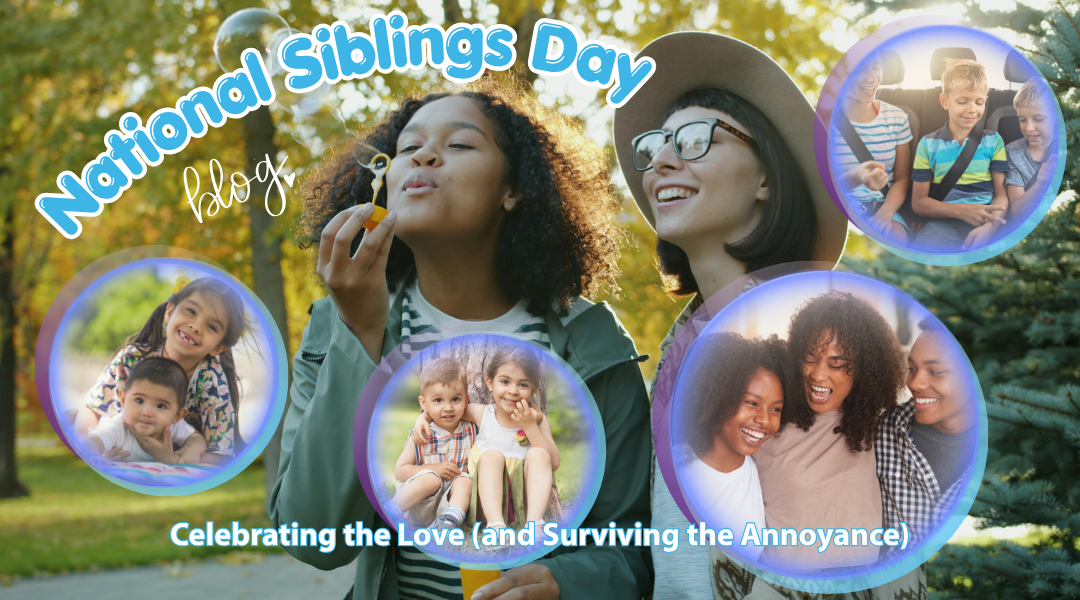
08 Apr National Siblings Day: Celebrating the Love (and Surviving the Annoyance)
April 10 is National Siblings Day, a celebration of one of the longest—and most influential—relationships in a child’s life. Siblings share history, routines, space, and experiences that shape who they become. Along the way, they also share disagreements, frustrations, and yes… moments where they get on each other’s nerves. Brother and sisters know exactly which buttons to push because they probably installed them in the first place. Siblings are our built‑in best friends, rivals, confidants, and lifelong witnesses to every questionable phase we swore we were “just experimenting with.” From shared childhood memories to inside jokes no one else understands, sibling relationships are truly one of a kind.
From an Active Parenting perspective, “sibling rivalry” is not a problem to eliminate—it’s an opportunity to teach lifelong skills.
Sibling conflict isn’t a sign of failure. It’s one of the most natural ways children learn communication, self-control, cooperation, and problem-solving. And those lessons often show up most clearly when everyone is together for a long stretch of time—like on a family road trip. We often imagine road trips as uninterrupted family bonding, but the reality usually includes big feelings, constant negotiation, and learning how to stay connected when things don’t go as planned.
Why Siblings Push Buttons
Sibling dynamics are intense because they’re built on years of shared space, shared stuff, and shared attention. Brothers and sisters argue over bathroom time, remote controls, and who started it (always a mystery). Those habits don’t magically disappear with age—they just show up in new forms, like debating music choices or who’s navigating incorrectly.
The good news? Those same bonds that spark irritation are the reason siblings often reconcile faster than anyone else. There’s history, humor, and usually a lot of love under the surface.
What Siblings Learn from Conflict
When siblings clash, they are learning how to:
- Express feelings respectfully
- Handle frustration without losing control
- See another person’s point of view
- Work through disagreements without someone “winning”
Active Parenting reminds us that our role isn’t to stop every disagreement, but to guide children toward responsibility and respect. Conflict handled well builds confidence and courage. Conflict handled poorly—or avoided altogether—misses a valuable teaching moment.
When Siblings Get on Each Other’s Nerves
Close quarters and long hours can test even the best relationships. Instead of focusing on simply “keeping the peace,” try using these moments to coach skills siblings can use far beyond the car ride.
1. Share the Responsibility Before You Go
Before the trip starts, involve siblings in setting expectations together:
- How will music be chosen?
- What happens when someone needs quiet time?
- How will disagreements be handled?
When children help create the plan, they’re more likely to cooperate—and they learn responsibility along the way.
2. Encourage Problem-Solving Instead of Taking Sides
When tension arises, resist the urge to decide who’s right or wrong. Instead, guide them to solve the problem themselves:
- “Sounds like you both want different things. What’s a solution you can agree on?”
- “How can we make this work for everyone?”
This approach builds confidence, fairness, and mutual respect—key goals of Active Parenting.
3. Use Encouragement to Build Skills
Notice and name effort, not perfection:
- “You asked for space without yelling—that took self-control.”
- “You both figured out a solution. That’s real teamwork.”
Encouragement teaches children that they’re capable and trusted to handle challenges.
4. Make Space for Breaks
Self-regulation is an important skill—but it takes practice. Quiet time, music with headphones, or simply looking out the window can help siblings reset without conflict. Needing a break isn’t failure; it’s awareness.
5. Remember to Laugh and Connect
Active Parenting values connection as much as correction. Shared laughter, inside jokes, and reminiscing about family memories strengthen relationships and remind siblings they’re on the same team.
Celebrating Siblings on National Siblings Day
National Siblings Day isn’t about pretending siblings never disagree. It’s about recognizing that through those disagreements, children learn how relationships work.
Siblings teach each other patience, empathy, and cooperation in ways no one else can. With guidance rooted in respect and encouragement, even the most irritating moments can become opportunities for growth.
So, on April 10, celebrate the bond:
- Share a favorite family story
- Point out a strength you see in each sibling
- Remind them that learning to get along is a skill—and they’re practicing it every day
Because siblings aren’t just along for the ride—they’re learning the communication and problem-solving skills they need to travel through life together. These essential relationship skills inform how they will interact with the world for the rest of their lives.
Resources for Building Stronger Families
FOR LEADERS:
Explore evidence-based programs to help families navigate sibling relationships and beyond. From toddlers to teens + coparenting and stepfamilies, our comprehensive and easy-to-lead kits are designed for parent educators. We also offer professional training to help you make the greatest impact.
FOR PARENTS:
Find a class near you or register for a convenient online class to start building stronger family bonds today.
Active Parenting Publishers has been providing research-based education programs with an emphasis on nonviolent discipline, mutual respect, and open communication for over 40 years.
STAY IN TOUCH!
Click here to receive the latest news and offers from Active Parenting! And follow us on social media: